Specialty Training
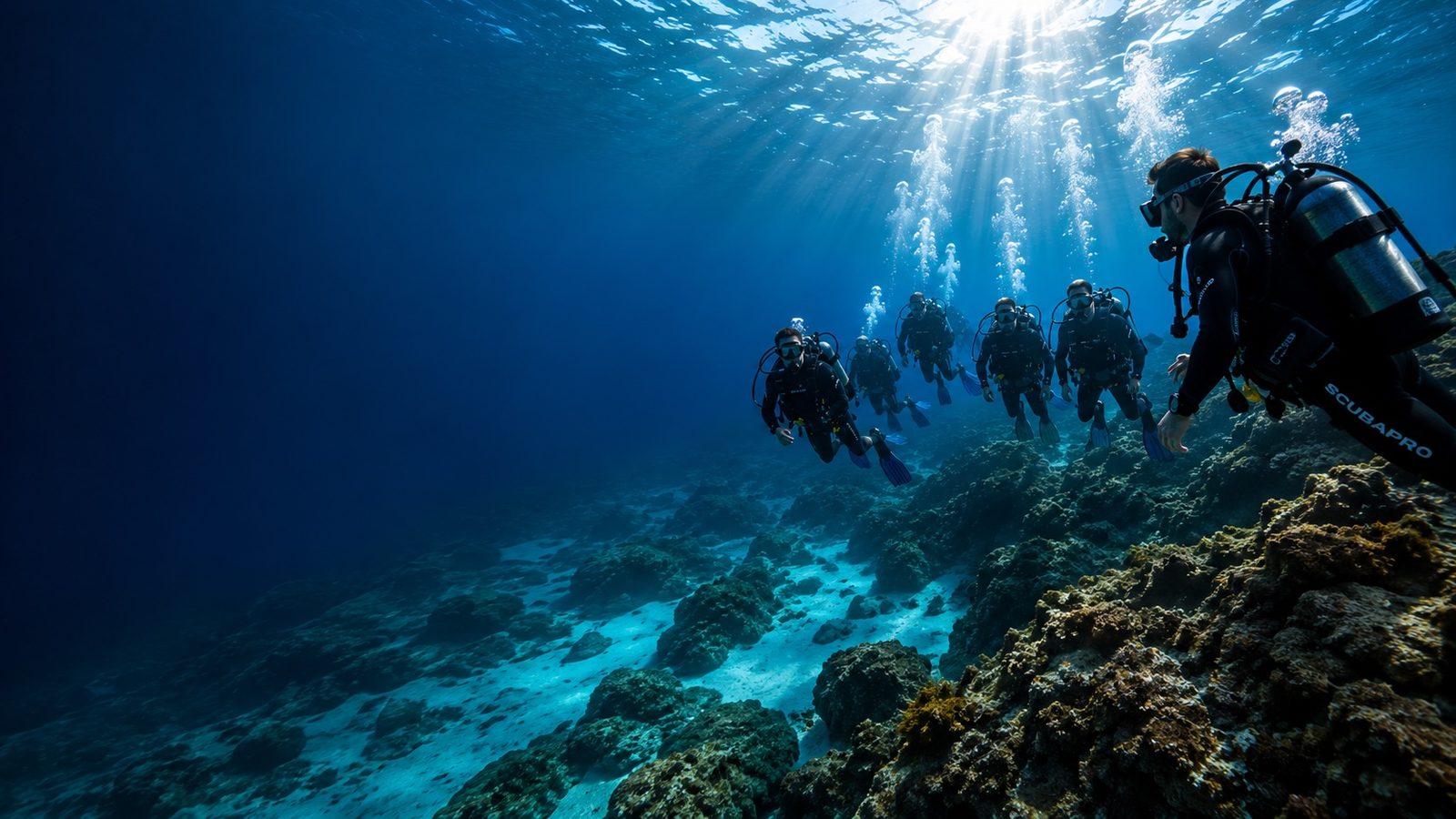
Underwater Naturalist: Teaching Students to Read the Reef
Marine life knowledge turns an ordinary dive into a genuinely engaging one. Here is how to teach it well.

/
/
Dry Suit Diving: A Specialty Worth Learning in Cooler Water
Specialty Training
9 Feb 2026
3 min read
Ready To Take The Next Step?
Explore Elite's IDC courses, meet the team behind them, and take the next step in your professional diving career.
More From The Academy
Specialty Training
Marine life knowledge turns an ordinary dive into a genuinely engaging one. Here is how to teach it well.
Specialty Training
Self-Reliant Diver training is not about promoting solo diving - it is about building better dive partners. Here is why.
Specialty Training
Search and Recovery rewards patience and method over enthusiasm. Here is how to teach the patterns that actually work.
 Chat with us